Car title loan foreclosures carry severe consequences, impacting borrowers' financial stability and vehicle ownership. To avoid these implications, individuals must adopt a strategic approach combining proactive measures and financial discipline. Key strategies include budget optimization, emergency fund establishment, regular vehicle maintenance, diversification of income streams, and minimizing high-interest debt. By implementing these practices, borrowers can responsibly navigate car title loans, preserving assets and building a more stable future.
The prevention of repeat foreclosure is a paramount concern in the financial sector, especially regarding car title loan agreements. With the growing prevalence of these loans, understanding their unique risks and implementing effective strategies to mitigate them is imperative for both lenders and borrowers. Car title loan foreclosures have severe implications, leading to a cycle of debt and economic strain on individuals and communities. This article delves into the intricacies of this pressing issue, exploring comprehensive solutions to safeguard against future defaults and promote sustainable lending practices. By examining the root causes and proposing practical measures, we aim to empower lenders and borrowers alike in navigating these agreements with greater confidence and security.
- Understanding Car Title Loan Foreclosure Implications
- Proactive Steps to Prevent Future Foreclosures
- Building Financial Resilience: Long-term Strategies
Understanding Car Title Loan Foreclosure Implications

Car title loan foreclosures carry significant implications for borrowers, often leaving them with limited options and a damaged financial standing. When a borrower defaults on payments, lenders have the right to seize and sell the vehicle secured by the car title, resulting in a loss of ownership. This process can lead to a cycle of debt and further financial strain, especially considering that many individuals rely on their vehicles for daily commuting and transportation. For instance, according to recent studies, over 40% of Americans use their cars as primary means of transportation, making vehicle collateral an attractive but potentially risky option for short-term lending.
Understanding the car title loan foreclosure implications is crucial for borrowers seeking long-term financial stability. One way to mitigate these risks is through proactive measures like loan refinancing. Refinancing allows borrowers to secure more favorable terms and reduce monthly payments, easing the burden of outstanding debt. For example, a borrower with an existing car title loan at a high-interest rate could refinance into a lower-rate loan, saving substantial amounts over time and improving their overall creditworthiness. Additionally, exploring alternative financing options or building savings can empower individuals to avoid foreclosure altogether, ensuring they retain vehicle ownership and financial control.
Experts advise borrowers to thoroughly review the terms of any car title loan agreement before signing. Key aspects include interest rates, repayment periods, and potential penalties for early repayment. Transparent communication with lenders is essential to understand the specific Car Title Loan Foreclosure Implications. By taking a proactive, informed approach, individuals can navigate these loans responsibly, preventing future financial setbacks and maintaining their vehicle ownership.
Proactive Steps to Prevent Future Foreclosures
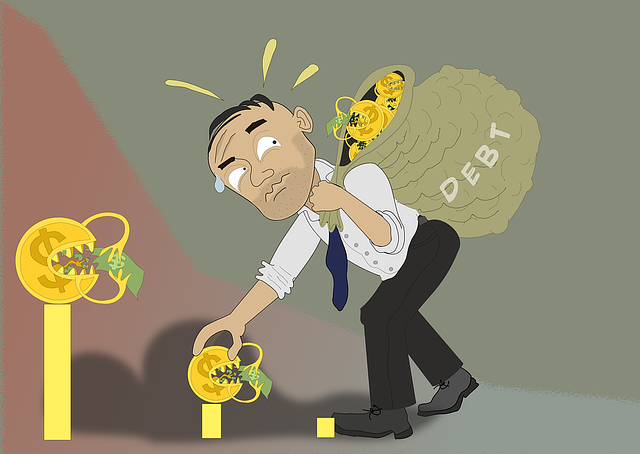
Avoiding repeat car title loan foreclosures requires a multifaceted approach that combines financial discipline with proactive measures. One of the primary steps individuals can take is to ensure they fully understand the terms and conditions of their loan agreement. This includes comprehending interest rates, repayment schedules, and any potential penalties for late or missed payments. Education and awareness are key; many people find it beneficial to consult with financial advisors or experts who can break down complex loan structures in simple terms.
Direct deposit and online application processes have streamlined the loan acquisition experience, but they also necessitate heightened vigilance. Applicants should carefully review their bank statements post-approval to verify accurate deposits and ensure funds are allocated as intended. This meticulous approach extends to regular assessment of one’s financial health; tracking expenses, income, and existing debts allows for timely adjustments to repayment strategies. For instance, a recent study by the Consumer Financial Protection Bureau (CFPB) revealed that responsible borrowing practices, such as keeping loan balances below 30% of available credit, significantly reduce foreclosure risks.
Maintaining vehicle ownership is another crucial aspect in preventing car title loan foreclosures. Individuals should prioritize timely payments to retain control over their assets. In cases where unforeseen financial challenges arise, proactive communication with lenders can lead to mutually beneficial solutions. Many lenders offer flexible repayment plans or loan modifications to help borrowers navigate tough times. For instance, some companies may allow for temporary interest-only payments or extend the loan term, reducing immediate cash flow demands.
Additionally, building an emergency fund to cover unexpected expenses can serve as a buffer against future financial strain. By putting aside a small portion of disposable income each month, individuals create a safety net that can prevent them from resorting to short-term loans with high-interest rates during crises. This proactive step, combined with responsible borrowing practices and meticulous financial management, significantly lowers the likelihood of repeat car title loan foreclosures.
Building Financial Resilience: Long-term Strategies

Avoiding repeat Car title loan foreclosure requires a multifaceted approach, with building financial resilience as a cornerstone for long-term stability. Fort Worth Loans, often secured by vehicle collateral, carry significant implications—both positive and negative—for borrowers. Data indicates that those who successfully navigate these challenges are less likely to face future foreclosures. A strategic plan should encompass budget optimization, emergency fund establishment, and debt management techniques.
For instance, a borrower with a Secured Loan in Fort Worth should aim to pay down high-interest debts first while maintaining timely loan payments. This not only improves credit scores but also demonstrates financial discipline to lenders. Additionally, setting aside 3-6 months’ worth of living expenses as an emergency fund can prevent future liquidations of collateral assets during economic downturns. Secured Loans, by their nature, require borrowers to use their vehicles as collateral, so ensuring regular maintenance and minimizing mileage not only preserves the vehicle’s value but also reduces loan payback stress.
Furthermore, diversifying income streams and exploring alternatives to traditional secured loans can bolster financial resilience. This might include negotiating lower interest rates with existing lenders or seeking non-collateralized loan options when feasible. By implementing these long-term strategies, borrowers in Fort Worth can mitigate Car title loan foreclosure implications and build a more stable financial future. Remember, proactive measures taken today can prevent significant challenges tomorrow.
By understanding the profound car title loan foreclosure implications and taking proactive measures, individuals can significantly reduce the risk of future foreclosures. The article has highlighted critical steps, such as maintaining timely payments, exploring alternative financing options, and building an emergency fund, as essential tools in this endeavor. Additionally, fostering financial resilience through long-term strategies like responsible spending, debt management, and continuous learning about personal finance empowers individuals to navigate financial challenges more effectively. These comprehensive insights provide a robust framework for avoiding repeat foreclosures, ensuring stability and security in future loan agreements.